
A few months ago, a client called me on a Tuesday morning in a panic. Her online store was falling apart, but nothing about it made sense. Checkout was throwing errors. Confirmation emails had stopped going out. Her inventory counts had frozen and stopped updating. Three unrelated problems, all at the exact same moment.
It took about twenty minutes to find the actual cause: a shipping company's rate-lookup service had gone down. Just that one piece. But her store had built a habit of leaning on it constantly, at checkout, in her email tool, and in the system that tracked stock. When that one small service stopped answering, it pulled three other things down with it.
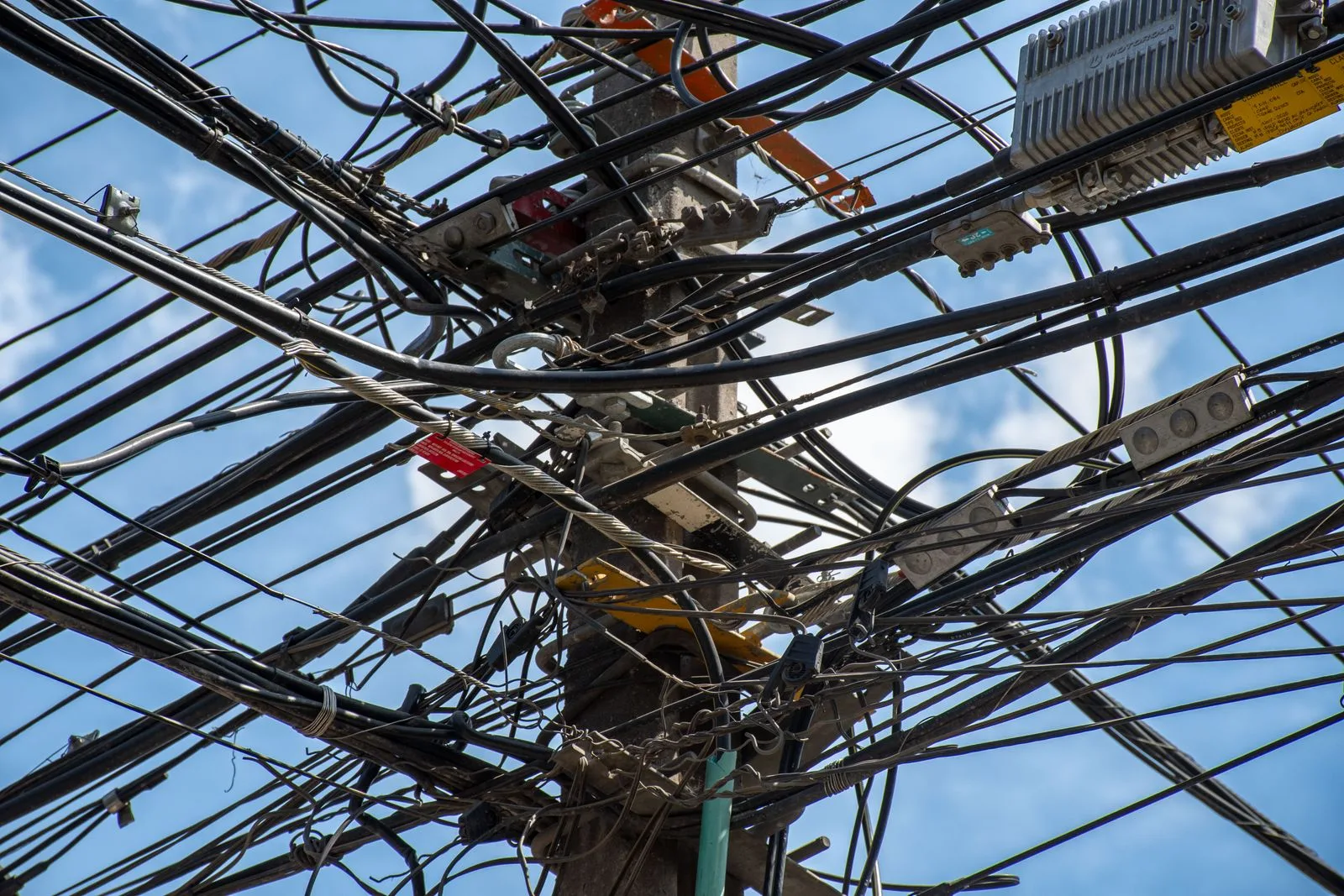
This is the conversation I have more than almost any other. A business owner adds one connection at a time, and each one solves a real problem. Shipping rates. Card payments. Email marketing. A CRM. A chat widget on the website. None of these choices feel risky by themselves. But string enough of them together, and your software stops being one thing you control. It becomes a chain of promises made by other companies, and a chain is only as strong as its most fragile link.
Every Connection Is a Small Promise
Every time your software talks to an outside service, you are making a bet. You are betting that company will stay online, keep its prices stable, keep its login system working, and keep its data format the same, forever, without warning you first. Most of the time, that bet pays off. These are usually solid, well-run companies.
But "usually" is not "always." Every added connection is one more company whose bad day becomes your bad day. One more login system that can lock you out. One more update that can quietly change how a feature works. None of this is a reason to avoid outside tools. It is a reason to know exactly how many bets you currently have running, and what happens if one of them goes wrong.
The Risk Doesn't Add Up. It Multiplies.
Here is the part that surprises most owners: the danger does not grow one small step at a time as you add tools. It compounds. When your checkout page calls a payment processor, and that processor also depends on a shipping calculator, and that calculator also pings an address-verification tool, one outage anywhere in that line can freeze the whole transaction.
Security researchers who study these patterns describe it as a widening "blast radius." One compromised or broken connection does not just affect its own feature. It can ripple outward into everything wired to it. A 2025 industry review found that a large share of data-related incidents now trace back to a third-party service rather than a company's own systems. The lesson is not that outside tools are dangerous. It is that stacking many of them, without checking how they depend on each other, turns small failures into big ones.
What "Graceful Degradation" Actually Means
There is a simple idea in software design called graceful degradation. It means that when one piece breaks, the rest of the system keeps working, just with less polish for a little while.
Think about a restaurant that loses its credit card machine for twenty minutes. A well-prepared restaurant still seats guests, still serves food, and just asks for cash or an IOU until the machine comes back. A poorly prepared one closes the doors entirely, even though the kitchen is fine.
Software can work the same way. If your shipping calculator goes down, your store can fall back to a flat shipping rate instead of stopping checkout completely. If your email tool has an outage, your system can queue the confirmation emails and send them the moment it recovers, instead of losing the order confirmation altogether. None of this requires exotic engineering. It requires deciding, in advance, which features are allowed to fail quietly and which ones are not allowed to take the rest of the system down with them.
Signs You've Added Too Many Connections
A few patterns tend to show up once a business has crossed from "helpful tools" into "fragile web of dependencies":
- Nobody on your team can list every outside service your software actually talks to.
- One vendor's status page outage has broken more than one feature on your side before.
- You've never tested what happens when a specific integration is unreachable.
- Adding a new tool now takes longer, because it touches three other systems you forgot were connected.
- A single login credential, if it stopped working, would take down more than one part of your business.
If two or more of these sound familiar, it's worth a closer look before you add anything else.
Questions Worth Asking Before the Next One
Before adding another connection, I ask clients a short list of questions. What happens to this feature specifically if this new service is down for an hour? Does that failure stay contained, or does it spread to other parts of the site? Is there a fallback, even a simple one, or does everything just stop? And honestly, do we need this connection at all, or are we adding it because it's easy, not because it's necessary?
That last question matters more than people expect. This connects to what I talk about in custom API integrations: connecting systems is genuinely valuable, and it's a very different conversation than the risk of betting your whole business on one single vendor, which I've also written about separately. The point here is narrower. It's not about avoiding integrations. It's about knowing how many you're carrying, and building in a way that one bad afternoon at one vendor doesn't become a bad afternoon for your entire business.
Going back to my client with the shipping outage: we didn't remove the shipping integration. We just changed how checkout behaved when it was unreachable, added a fallback flat rate, and moved the confirmation emails into a queue instead of a live dependency. The next outage, a few weeks later, was a non-event. Customers checked out. Orders went through. Nobody even noticed.
If your software has grown a long list of outside connections and you're not sure which ones could take the rest of it down with them, that's a good place to start. Let's talk through your situation.