
The Night a Missing File Took Down the Site
A developer I once worked with was updating a client's site late on a Friday night. He connected to the live server, copied over a batch of updated files by hand, and restarted the app. Everything looked fine, until Monday morning, when a customer called to say the checkout page showed a blank screen. One file, out of dozens, never made it across. Nobody noticed until real customers ran into it.
That's the story behind every "the pipeline broke" comment you've heard from a developer. CI/CD, short for continuous integration and continuous deployment, is the system meant to make that Friday-night mistake impossible. Let me walk you through what it actually is, in plain terms.
Think of It as an Assembly Line, Not a Hallway
Here's the analogy I use with every client. Picture two ways of getting a product out the door.
In the first, one person builds the whole product by hand, inspects it themselves, and carries it down the hall to the shipping dock. If they're tired, distracted, or skip a step, nobody catches it before the box ships.
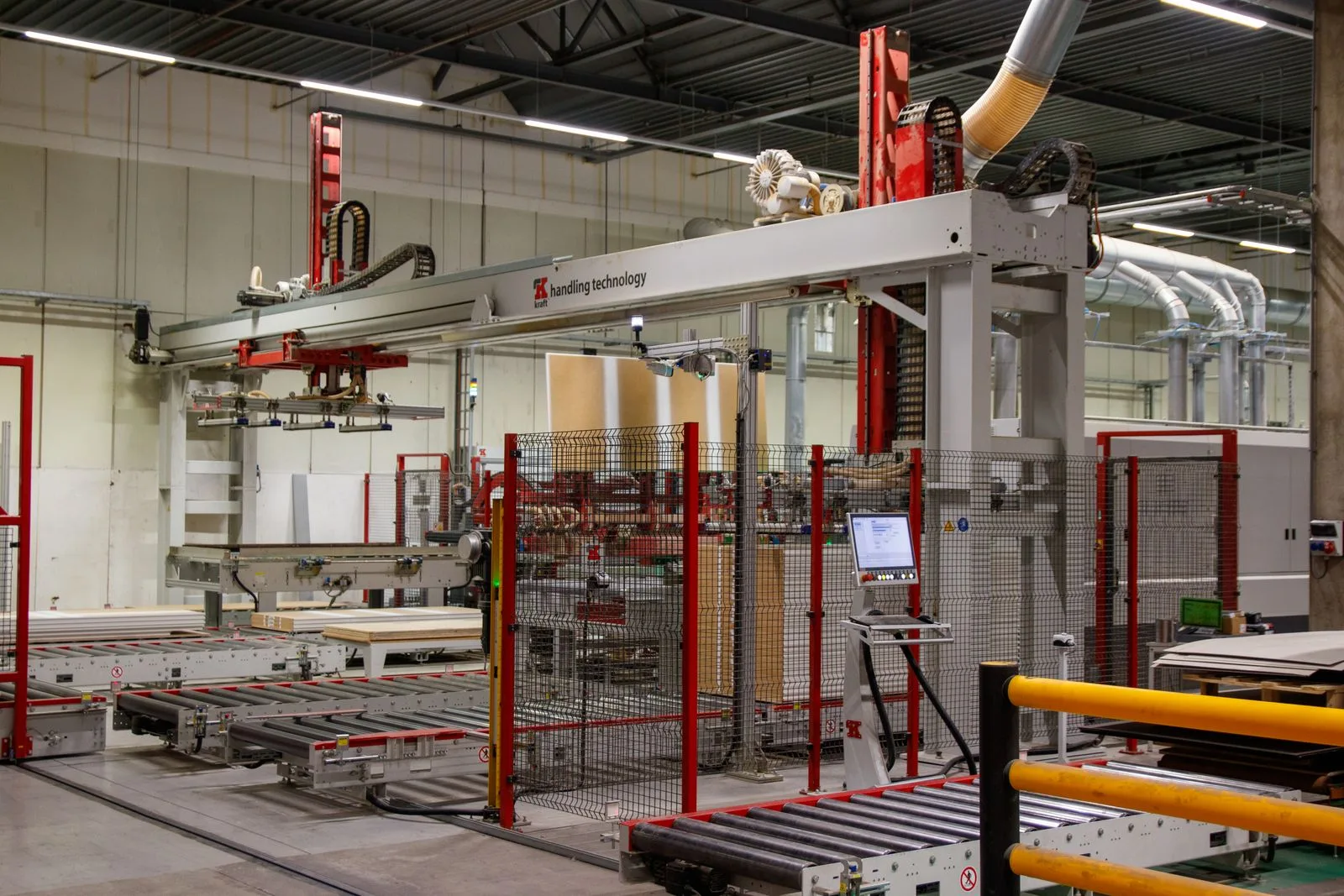
In the second, the product moves down an assembly line. At each station, a machine checks something specific: is this part the right size, does this connection hold, is this safe to send out? Only when every station signs off does the product reach the end of the line and get shipped. No single person has to remember every check, every time.
CI/CD is that assembly line, built for software. "Continuous integration" is the part where every change a developer makes gets automatically combined with everyone else's work and checked, several times a day, rather than once every few weeks. "Continuous deployment" is the part where changes that pass those checks go live automatically, without anyone copying files by hand.
What Actually Happens Automatically
When a developer finishes a change, here's what a working pipeline does without anyone lifting a finger:
- It builds the software. It takes the raw code and turns it into something that actually runs, the same way every time.
- It runs automated tests. These are pre-written checks that click through key features — does the login page work, does the order total calculate correctly — and flag anything that broke.
- It scans for known security issues. Many pipelines automatically check for outdated or vulnerable pieces of code before they ever reach your live site.
- It deploys the change, but only if every earlier step passed. If a test fails, the pipeline stops and alerts the developer instead of pushing broken code to your customers.
None of this needs a person sitting at a keyboard at 11 p.m. It runs the same way at 9 a.m. on a Tuesday as it does at midnight on a Friday, which is exactly the point.
The Hallway Method: Why Manual Deployment Is Risky
Manual deployment means a person, by hand, moves updated code onto the live server. Maybe they run through a checklist. Maybe they don't. Either way, every step depends on that one person remembering it correctly, every single time, with no automatic second check.
That's risky for a few reasons. People get interrupted mid-task. Checklists get skipped when there's a deadline. The steps someone follows on a calm Tuesday afternoon are rarely identical to the steps they follow at 11 p.m. under pressure. And if that one person is on vacation, sick, or has left the company, nobody else may know exactly how the process works.
None of this is about any one developer being careless. It's about asking a human to repeat a precise, multi-step process perfectly, forever, with no safety net. Automation exists because people are bad at that — and computers are great at it.
Why This Matters More Than Speed
The real payoff of CI/CD isn't just "faster releases." It's smaller, safer changes shipped more often. Teams that do this well tend to release in small batches — a handful of changes at a time — rather than one giant update every few months.
Small batches matter because when something does go wrong, it's easy to spot which change caused it. A giant update with 200 changes bundled together is a nightmare to debug. A small update with three changes points you straight at the problem. Industry research on high-performing software teams consistently shows the same pattern: the teams that deploy small changes frequently, with automated checks in between, have fewer failures and recover from the ones they do have much faster than teams that deploy rarely and by hand.
This is closely related to why automated testing pays for itself — the pipeline is the delivery mechanism that runs those tests every time, automatically, instead of leaving it up to someone to remember.
A Concrete Example
Say you run an online store, and a developer is updating your checkout page before a big sale. With a CI/CD pipeline in place, the developer pushes the change, and within minutes the pipeline builds the update, runs tests that simulate a customer placing an order, and only deploys the change to your live site if that simulated order goes through correctly. If it doesn't, the broken version never reaches a real customer — the developer gets an alert and fixes it first.
Without that pipeline, the same broken checkout page might not get caught until a real customer complains, possibly during the sale itself.
What to Ask Your Developer
You don't need to understand the technical details to ask the right questions:
- "Do our updates go through automated tests before they go live?"
- "Is someone manually copying files to deploy changes, or is that automated?"
- "If a bad update slips through, can we roll it back quickly?"
If the answers involve one person's laptop and a checklist, you're relying on that person never having an off night. If the answers involve an automated pipeline, you're relying on a system that runs the same checks every single time — which is exactly what you want protecting a live business.
This connects to what I've written about the difference between staging and production — CI/CD is often the mechanism that moves changes between those two environments safely.