
A client told me something a few months into a project that I still think about. "I just want to give you the spec, disappear for three months, and come back to a finished product. Why do we need to talk every two weeks?"
It's a fair question, and it's rarely explained well up front. Most people picture software like building a house: agree on the blueprint, the contractor builds it, you show up at the end with the keys. So when a developer asks for a call every two weeks to look at unfinished work, it can feel disorganized, or like they're padding the timeline.
The real reason has a name: development methodology, the rhythm a team uses to move a project from idea to finished product. The two most common rhythms, Agile and Waterfall, create very different experiences for you as the client. Here's what each one actually means, and why your project probably ended up using the one it did.
What Waterfall Actually Means
Waterfall matches the house-building picture. You plan the entire project upfront: every screen, every feature, every rule. Once everyone signs off, the team moves through it in order, one phase at a time. Requirements, then design, then building, then testing, then a single launch at the end. Each phase has to finish before the next starts, the same way you can't paint walls that haven't been built yet.
The appeal is obvious: one clear price, one clear timeline, one delivery date. But it comes with a trade-off. Once the plan is locked, changing your mind gets expensive. If you realize in month four that customers need a different checkout flow than the one in the original spec, that usually means reopening work that was already finished and signed off.
What Agile and "Sprints" Actually Mean
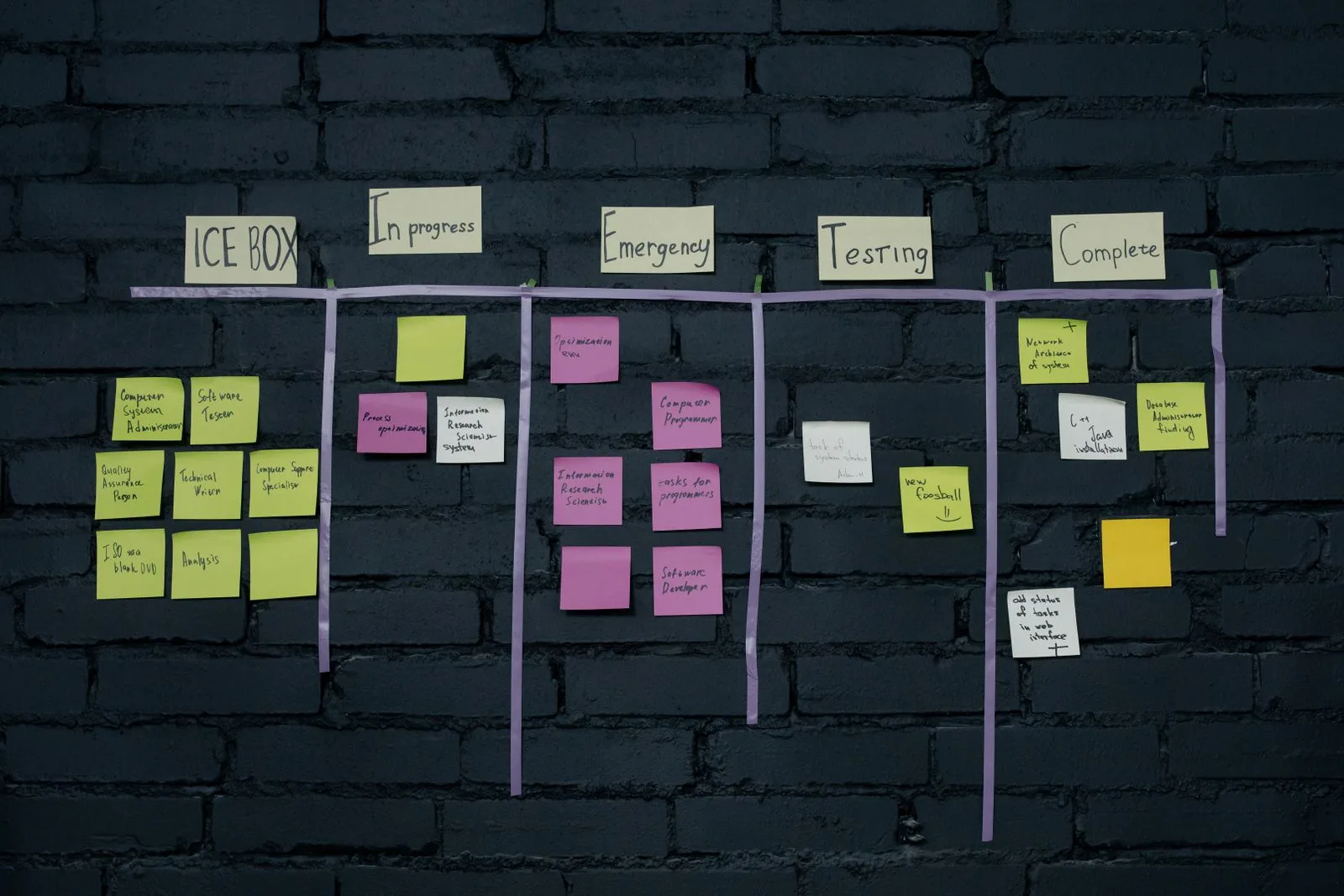
Agile flips the order. Instead of planning everything upfront and building it once, the team breaks the project into small chunks, usually two-week periods called sprints, and builds a working slice of the product in each one. At the end of every sprint, you see something real: a screen you can click through, a feature you can test. You give feedback, the team adjusts, and the next sprint starts.
That's what those biweekly calls actually are. They're not status updates for their own sake. They're the moment where you get to say "actually, that's not quite what I meant" while the fix still only costs a few days of work, instead of finding out at the very end that the whole thing needs to be redone.
Agile also assumes something Waterfall doesn't: nobody, including you, knows every requirement perfectly on day one. Business needs shift, competitors launch something new, and a feature that sounded essential in the planning meeting turns out not to matter once real users try it. Agile builds room for that reality into the process, instead of treating it as a problem.
Why Most Modern Software Projects Lean Agile
Most web and mobile applications today get built with some version of Agile, and it's not just a trend. Software is unusually easy to change compared to a physical building, so teams naturally lean toward an approach that takes advantage of that flexibility. Frequent check-ins catch a wrong assumption in week two instead of month four, when it's still cheap to fix.
There's also a trust benefit. With Waterfall, you're betting the whole budget on a plan written before any code existed, then waiting months to see if it was right. With Agile, you see working pieces early and often, so you always know where the project actually stands.
When Waterfall Still Makes Sense
Waterfall isn't outdated, and I still recommend it in specific situations. It fits when requirements are genuinely fixed, like software built to satisfy a regulatory or compliance standard set by someone outside the project. It also fits when a project depends heavily on hardware, physical installation, or other vendors with rigid schedules of their own, where changing course midway is costly no matter the methodology. And some clients genuinely prefer a fixed scope and fixed price over flexibility, which is a reasonable trade-off to make with eyes open.
Many real projects land somewhere in between. I'll often use a Waterfall-style approach to lock in scope, budget, and a rough timeline at the start, then deliver the actual build in Agile sprints, since that's where flexibility matters most. This connects to what I cover in the discovery phase of a software project — that upfront planning conversation is where we decide together which rhythm fits your project, before any building starts.
What This Means for How Involved You'll Need to Be
Here's the honest trade-off. Waterfall asks less of your time during the build, but more upfront, since every requirement has to be nailed down before work starts, and any gap in that planning becomes a costly surprise later. Agile asks less of you upfront, but more ongoing attention, since those biweekly reviews only work if someone on your side actually shows up with real feedback.
Neither is more work overall, just distributed differently across the timeline. If you've ever tested a smaller first version of an idea before committing to a full build, you've already seen this pattern; it's the same logic behind what an MVP actually is, where earlier feedback saves money later.
A Real Example
I worked with a client running a small logistics business who wanted a portal for drivers to log deliveries. Early on, they were certain they knew exactly what the drivers needed. We used Agile anyway, and by sprint three, drivers testing the portal said the delivery confirmation screen needed a photo upload option nobody had mentioned before, because paper receipts kept getting lost in the truck. Since we were already reviewing working software every two weeks, we added it in the next sprint for a few hundred dollars of extra work. Under Waterfall, that gap wouldn't have surfaced until final testing, months later, after the whole confirmation flow was already built and signed off.
The Bottom Line
Those biweekly calls aren't a sign your project is running long or that your developer can't commit to a plan. They're built into the process specifically so small misunderstandings get caught while they're still cheap to fix. If your project is using Agile, showing up to those sprint reviews with real feedback is one of the most valuable things you can do for the outcome.
If you're planning a project and aren't sure which approach fits your situation, that's exactly the kind of thing worth talking through before any work begins. Let's talk through your situation.