
I once sat in on a project kickoff call where two developers spent twenty minutes debating "SQL or NoSQL" for a client's new order-tracking system. The client — a smart, successful business owner — sat there nodding along, completely lost. Afterward, she pulled me aside and asked, "What were they actually deciding? Does it matter for my business?"
It matters more than most technical decisions you'll never be asked to make. So let's fix that. No jargon, I promise.
Two Ways to Store Things
Imagine two ways to organize a storage room.
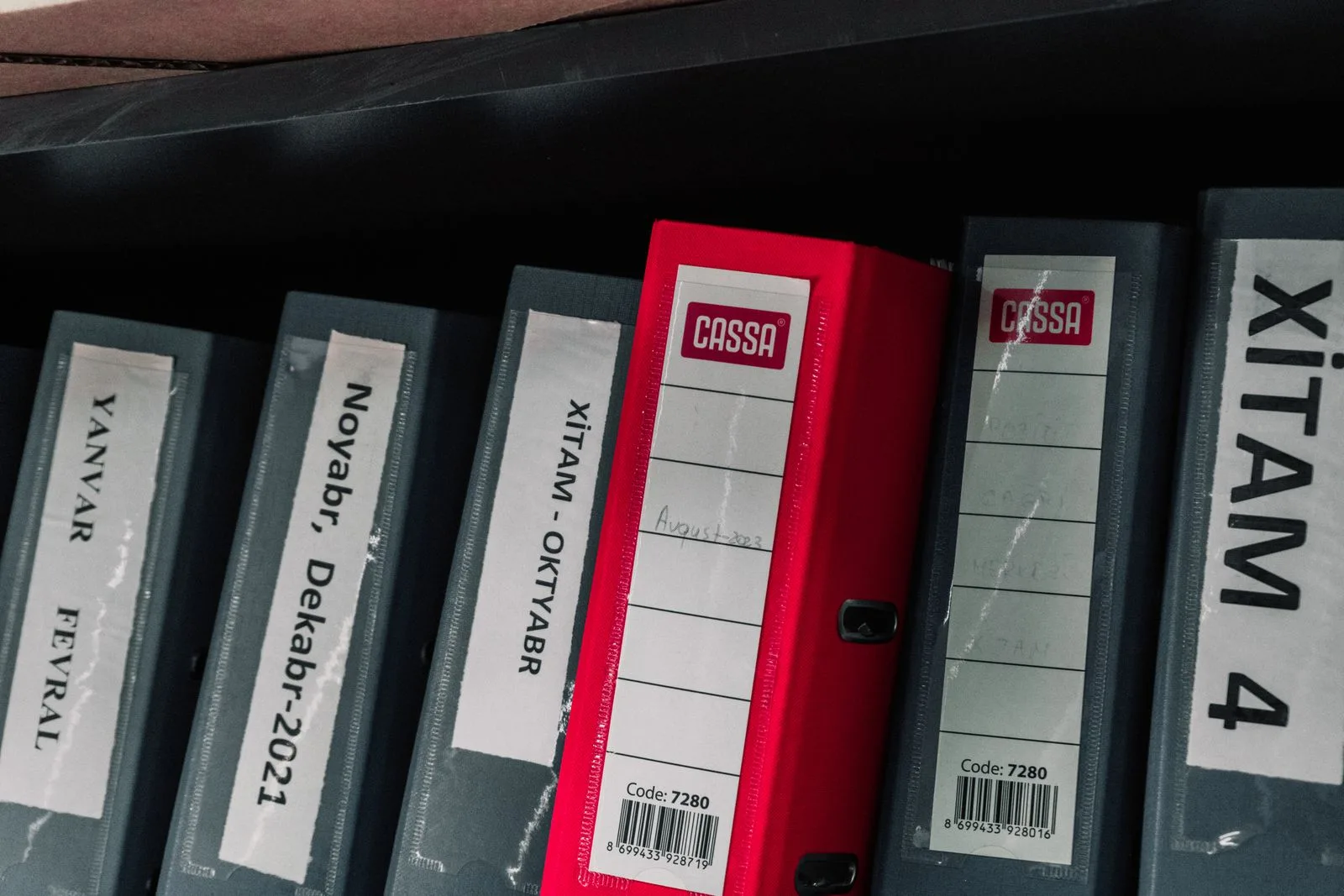
The first is a filing cabinet. Every folder has the same layout: name here, date there, amount in this corner. If you open folder 214, you know exactly where to find the invoice number without even looking — it's always in the same spot. Add a new rule (every folder must now include a tax ID) and you have to go back and update every single folder to match.
The second is a big open box. You toss things in as they come: a photo, a handwritten note, a product with six attributes, another product with two. Nothing has to match the item next to it. It's fast to add things, and you never have to reshape an item to make it fit.
That's the real difference between SQL and NoSQL databases. SQL databases are the filing cabinet — structured, consistent, every record shaped the same way. NoSQL databases are the flexible box — anything goes, shapes can vary and change over time. Neither one is "better." They're built for different jobs, and most real businesses end up using a bit of both.
What SQL Is Good At: Data That Has to Stay Consistent
SQL (it stands for Structured Query Language, but you'll never need to remember that) has been the standard for business software since the 1970s, and it's still the default for good reason. It's built around tables — think spreadsheets that are strictly enforced. Every row in the "Orders" table has a customer ID, a date, and a total, in that order, every time. Nothing gets saved unless it fits the rules.
That strictness is exactly what you want for money. Invoices, payments, inventory counts, appointment bookings, payroll — anything where two records need to add up correctly and nothing can silently go missing. SQL databases are built around a guarantee developers call "ACID" (you don't need the acronym, just the promise): a transaction either completes fully or doesn't happen at all. If a payment is deducted from one account, it will show up in the other, even if the power goes out halfway through. Banks, e-commerce checkouts, and accounting systems lean on this guarantee constantly.
SQL is also the natural choice when your data has clear relationships that don't change much — a customer has orders, an order has line items, a line item belongs to a product. That's the exact shape a filing cabinet handles well.
What NoSQL Is Good At: Data That Changes Shape or Comes in Fast
NoSQL is really an umbrella term for several different flexible-box approaches, but they share one trait: they don't force every record into an identical shape.
That flexibility earns its keep when your data doesn't hold still. A product catalog is a classic example — a t-shirt has a size and color, a laptop has a processor and RAM, a service package has neither. Forcing all of that into one rigid filing-cabinet layout means a lot of empty, wasted folders. NoSQL lets each item carry only the details it actually has.
It also shines when you're dealing with high volume and speed rather than strict accuracy — website activity logs, sensor readings from equipment, chat messages, social media feeds. Nobody needs a guarantee that message #4,821 posted in the exact right order relative to message #4,822 the way they need that guarantee for a bank transfer. NoSQL systems trade some of that strictness for the ability to spread data across many servers and handle huge, fast-growing volumes without slowing down.
Why Most Business Software Still Defaults to SQL
If NoSQL sounds more modern and flexible, you might wonder why so much everyday business software — the invoicing tool, the CRM, the booking system — still runs on SQL. The answer is simple: most business data is structured, and most business owners want strict accuracy far more than they want flexibility. You don't want your accounting system to shrug and say "close enough" about a missing decimal.
Flexibility sounds appealing until you need to run a report. A filing cabinet lets you ask precise questions instantly: "total sales by region last quarter," "every customer overdue by more than 30 days." A box full of mismatched items makes that same question much harder to answer reliably, because nothing guarantees the information you need is even in the same place twice.
A Real Example
A client of mine runs a specialty equipment rental business. Their core system — customers, contracts, deposits, return dates — sits in a SQL database, because every one of those records has to reconcile to the penny and match up perfectly for audits. But their equipment listings, which vary wildly (some items have five specs, some have twenty, and new categories get added every season), live in a NoSQL-style flexible structure layered on top. One tool for the money. A different tool for the ever-changing catalog. That's not indecision — that's using each tool for what it does best.
The Bottom Line
When your developer proposes SQL, they're proposing the filing cabinet: consistency, accuracy, and strong guarantees for data that has to be right every time. When they propose NoSQL, they're proposing the flexible box: speed and adaptability for data that changes shape or arrives in huge, fast-moving volumes. Most projects need mostly filing cabinet, with maybe a box on the side.
Once your database is up and running well past launch day, a different question comes up eventually: why does it feel slow? That's a separate conversation from the one in this article, and I cover the early warning signs in database bottlenecks in SMBs.
If you're staring down this decision for your own project and want someone to translate the technical trade-offs into plain business terms, let's talk through your situation.